
Outdoor learning on the uptick: make the most of it with your nanny kids
As summer winds down, many nannies find themselves facing a new kind of challenge.
The camps are over. There are fewer scheduled activities on the calendar. If you're also trying to limit screen time, it can feel like a lot of hours to fill, and a lot of pressure to come up with something exciting.
The good news is that you don't have to entertain children every minute of your shift. In fact, some of the most valuable parts of childhood happen when there isn't much of a plan at all. The key isn't to fill every gap in the day, but to create an environment where curiosity can take over – and you can use the outdoors to make the most of that idea.
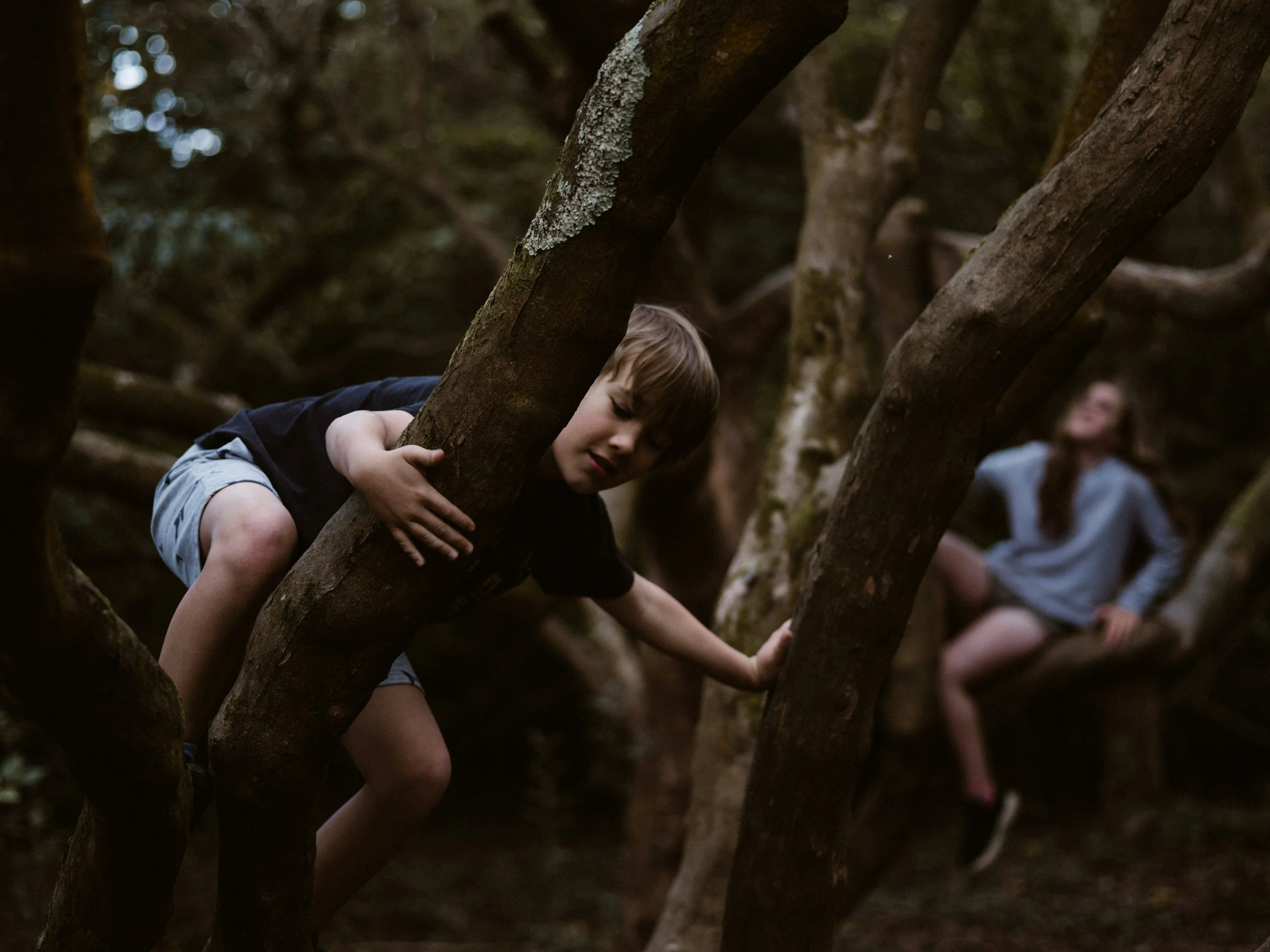
Outdoor learning is having a moment
If you've noticed more schools, camps, and early childhood programs emphasizing time outside, you're not imagining it.
There's growing interest in outdoor learning, fueled by research showing the benefits of fresh air, movement, and nature for children's physical and emotional well-being. Across Scandinavia, for instance, outdoor education has long been woven into early childhood. Many preschools spend most of the day outside, and some operate almost entirely outdoors throughout the year. The philosophy is simple: children learn by exploring, moving, observing, and interacting with the world around them.
Now we hear you, we’re not in Scandinavia, but you don't need access to a forest school to borrow that mindset. Whether you're in the middle of Manhattan or in a quiet suburb, stepping outside changes the pace of the day. Children naturally begin to notice things, ask questions, move their bodies, and create games without needing much direction from the adults around them. And while that may feel weirdly hands-off to you, it might be the best thing you can do as a caregiver in the quiet last weeks of summer.
You don’t always have to lead
One of the biggest misconceptions about nannying is that you should always be "on”, constantly introducing the next activity or planning the next outing.
In reality, one of the greatest gifts you can give children is the opportunity to direct some of their own play. Developmental experts have long recognized that unstructured play helps children build creativity, confidence, problem-solving skills, and independence. That doesn't mean stepping back completely. It means becoming more of an observer and a guide.
You know your nanny kids better than almost anyone.
If they're energetic, maybe they need room to run and climb.
If they're naturally curious, perhaps they'll spend twenty minutes investigating bugs or asking questions about clouds.
If they're feeling overwhelmed after a busy summer, they may simply need the quiet rhythm of a walk or a picnic under a tree.
Being outdoors can be the spark
One of the nicest things about taking the day outside is that the environment provides the inspiration.
A playground invites climbing. A park encourages running. A neighborhood walk becomes a scavenger hunt without anyone announcing that it is one. Even sitting on a blanket with books feels different when there's a breeze and birds overhead.
You don't need to plan an elaborate outing, either. Local parks, community gardens, botanical gardens, waterfronts, school playgrounds, farmers' markets, and public libraries all offer opportunities to explore at a child's pace. Even on a city block, children can notice changing seasons, construction projects, interesting architecture, dogs passing by, or flowers growing through sidewalk cracks.
Sometimes the destination matters less than giving children the freedom to linger. If they want to spend fifteen minutes watching squirrels or collecting interesting leaves, that's time well spent. You can easily fit that into a lesson plan about STEM to explain the value of it to parents, but by the end of August, a lot of parents are happy just knowing you had a great day together.
Don’t rush to solve boredom!
It can be tempting to jump in the moment a child says, "I'm bored." But boredom isn't necessarily a problem to fix. More often, it's the space between one idea and the next, and a great opportunity to stretch the muscles of the brain.
Some of the best imaginative play begins after a few minutes of having "nothing to do". A cardboard box becomes a spaceship. Sticks become fishing poles. Sidewalk chalk turns into an entire imaginary town. And being outdoors is a source of so much inspiration – which makes it way easier to stay off screens when the boredom kicks in than if you’re indoors.
Next time you’re at the very start of the boredom spiral, give it a minute. You don’t have to rush in and “rescue” your kiddo. Maybe encourage them to spend a moment staring at the clouds, looking closer at what’s in the grass, or just cheering on their first spark of an idea, then the ride is on.
Trust yourself
When you're wondering what to do with a wide-open summer afternoon, remember that you don't have to reinvent childhood.
You already know the children in your care. You know what excites them, what calms them, what challenges them, and what makes them laugh. Let that knowledge guide the day!
The last weeks of summer don't need to be packed with activities to be memorable. When fall comes and school or routine start over, you may look back on those last few warm, unscheduled days in the park as the best part of summer, even if the weeks before had more memorable-on-paper moments. Who knows, maybe your imagination got a boost, too!
Are you looking for a new nanny job?
If you’re a great nanny both outdoors and in and are looking for a new job, get in touch with us here at Smart Sitting. As a nanny agency, we’ve always made thoughtful matches between families and sitters, so that you can land a job that works with your needs, skills, and availability in the same way that it should for the family. Apply via the button below, and if we think we can help you, we’ll be in touch!
Ps. And for more tips and tricks in your childcare career, subscribe to our newsletter!