
What’s better: stay at home mom or working mom?
Sometimes it feels like being a parent just means being stretched thin all. the. time. That there is no way to be all the things and do all the things you envisioned for your perfect parenthood, whether that means being home with your kids or holding on to your career. And do you know what? You’re right. So if you’re trying to make a decision between being a stay-at-home-parent or a working parent, let’s have this talk.
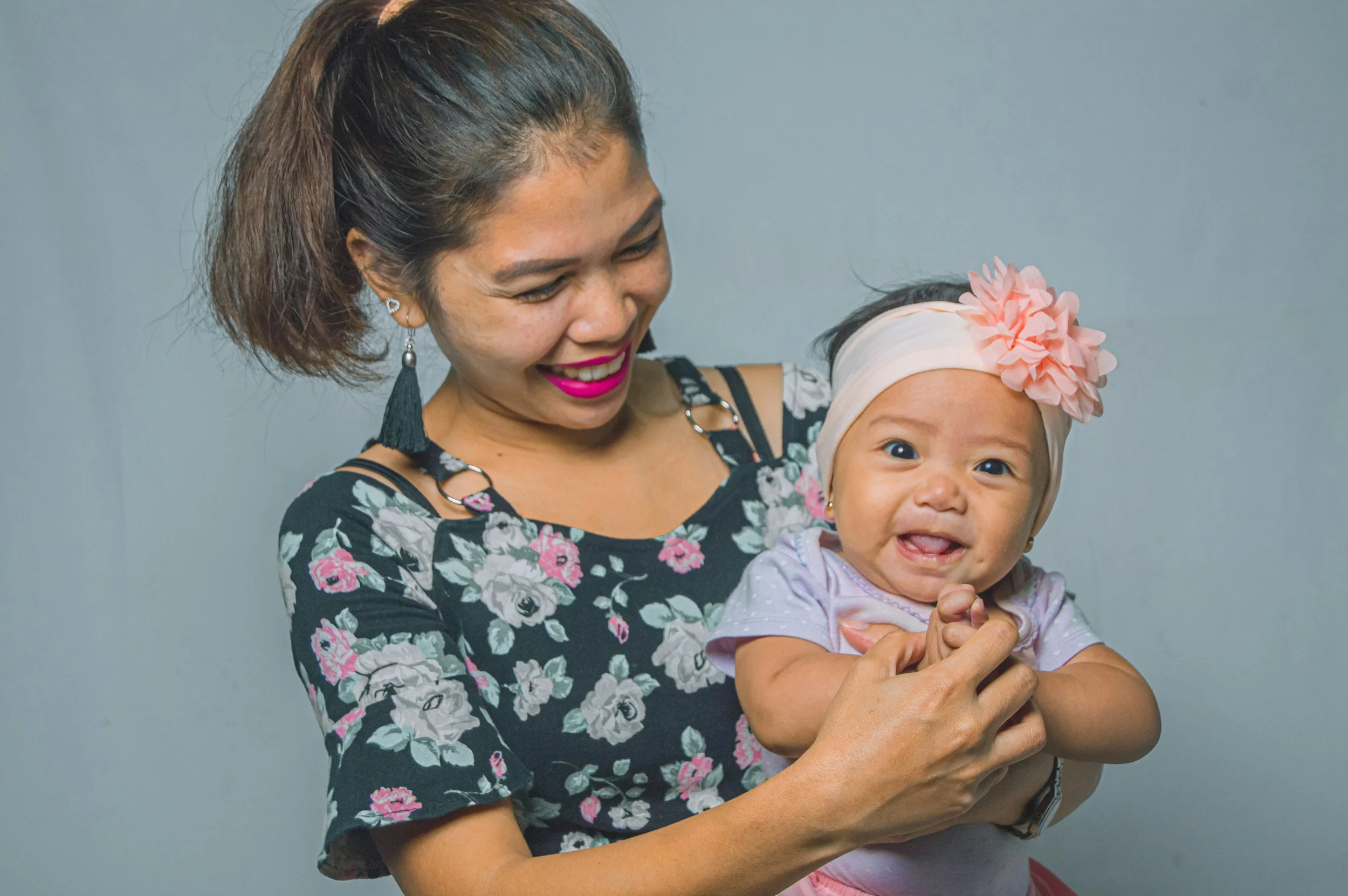
The pro-con list between stay-at-home and working professional parent
If you’re considering whether to work or stay at home with your kids, you’ve probably already run several of these arguments through your head already. We talk with parents every week who voice these exact questions.
Being a working parent:
For many, being a working parent is a financial necessity. But there are other reasons you may want this route. They may include:
Your own personal fulfilment
Teaching your kids how to be self-sufficient
Being a role model for your kids
Setting your kids up for a better financial future – college savings, an inheritance, access to better education, etc.
Increased gender equality in both labor and caregiving, particularly for women in heterosexual relationships
At the same time, it can feel easy to see what you’re sacrificing: working long hours and seeing less of your kids when they’re little, during precious years where so much of who they are as a person is shaped.
Also, let’s be real, working full time and raising kids can be exhausting. There are seemingly never enough hours in the day, even in a two-parent household, even if you have grandparents or other family nearby, even with a nanny or babysitter on your side. Parenting itself is a full-time job with overtime. Have you ever been as tired as you’ve been since becoming a parent? Exactly. Now add a job and a boss and maybe a commute and deliverables and the expectation of constant Slack availability on to that.
Enough said.
Being a stay-at-home parent
We’ve talked before about how some families are choosing to have one stay-at-home parent because it simply makes financial sense during these times when childcare costs are so high. But there are plenty of other reasons you may choose this route, such as:
Being there for your kids when they grow up and making the most of the early years
Showing your child the value of emotional labor or family
Not wanting to leave the kids’ care to a stranger or an institution
Getting more time with your partner and supporting your relationship
Because you want to
For some parents, the idea of being home with kids all day is a nightmare, while for others, it’s been their lifelong dream. It may make family finances tougher, and for the stay-at-home parent there are significant risks to their long-term financial stability, as that person won’t be paying into Social Security or other retirement plans, and they are more likely to be dependent on the working parent. But some of the upsides are also impossible to put a price tag on.
What do kids think?
First off – and this can be hard to remember as an adult – kids will normalize whatever circumstance they grow up in. You may want to be a stay-at-home parent because you feel like your parents were never home growing up, or you want to work because the way you grew up felt financially insecure, but there are loads of factors going into the experience you brought with you.
Research shows time and again that kids don’t need a parent who is available 24/7, nor do they need to grow up millionaires to be happy. Generally:
family conflict and parental stress matter more than whether a parent works
quality of caregiving and parent mental health matter
children benefit most from emotionally available caregivers and stable routines
Now, what that looks like can be different from family to family. Maybe you are more emotionally available if you have a fulfilling job than if you are home all the time. Maybe being stay-at-home allows you to take on more responsibilities that will ensure your home has less conflict and stress. Either way, your kids will feel it and be better off.
Two important notes: financial security is a huge factor in children thriving, and if that is the only reason you choose a specific route, that’s totally enough. That’s a very valid reason. Also, getting emotionally available, stable care from other adults, such as a nanny or preschool teachers, is also very, very good for kids and related positive outcomes in development. You don’t have to be alone in raising your kid, and offloading some of that work isn’t a bad thing.
What do other people think?
Here’s one thing we can’t let you go without reading: other people are going to have a lot of opinions about your parenting, no matter what you do, and you can go ahead and ignore all of that noise.
People will judge your parenting based on all of their own insecurities and guilt, or to validate their own choices, or simply because ragebait is a great way to get social media engagement (did you see our own headline for this article? Did it get you riled up?). Instead of helping you make an informed choice for your own family, it’ll probably make you feel like crap no matter what you choose.
This leads us to our own answer to the question of staying at home or working when your kids are little:
Do what’s right for you
It may not be super helpful if you’re looking for a perfect, objective answer, but the truth is that when it comes to parenting there is no such thing.
There is no such thing as a perfect, objective answer when it comes to parenting.
There isn’t one exact formula that will automatically make your children happy and successful. All you can do is keep trying to find something that puts your whole family in a secure and stable place – financially and emotionally.
Try to pivot, so the goal is:
enough connection
enough stability
enough presence
enough sustainability
We’ve talked before about good enough-parenting, and this is exactly that.
Allow for negotiation and adjustment
Every option, every choice in parenting involves giving up something to gain something else. The question is what might be worth giving up in order to live a day-to-day life you enjoy, or to attain a future you hope for your family?
Sometimes the answer changes, too. You may quit working or work part-time for a year and then pivot to a different solution. You may have the help of a nanny for a few years to protect your sanity and be a more present parent to your child, and then change to daycare or part-time work when the child is older.
Don’t forget to check in with yourself and your family once in a while. How’s the vibe at home? Are you and your parent partner divvying up the work in a way that works for you? Is everyone feeling safe enough, loved enough? And is your current set-up a choice you still stand by? There’s no perfect parent, but there can be a just-right-for-you parenting model for you to hold on to.
So, you see, we can rage bait all we like in our headlines, but at the end of the day, the answer continues to be: parenting is tough, and all you can do is try to figure out what’s best – and attainable – for you. That’s plenty.
How can we help?
If we can help support you with a full-time or part-time nanny to bring emotional stability, reliable routines, and a huge sigh of relief to your life, tell us about what you need via the button below. A dedicated member of our team will reach out and take it from there.
Ps. Looking for more advice in parenting? Sign up for our newsletter! For questions, comments, or chats with the community, check out our Instagram of Facebook!